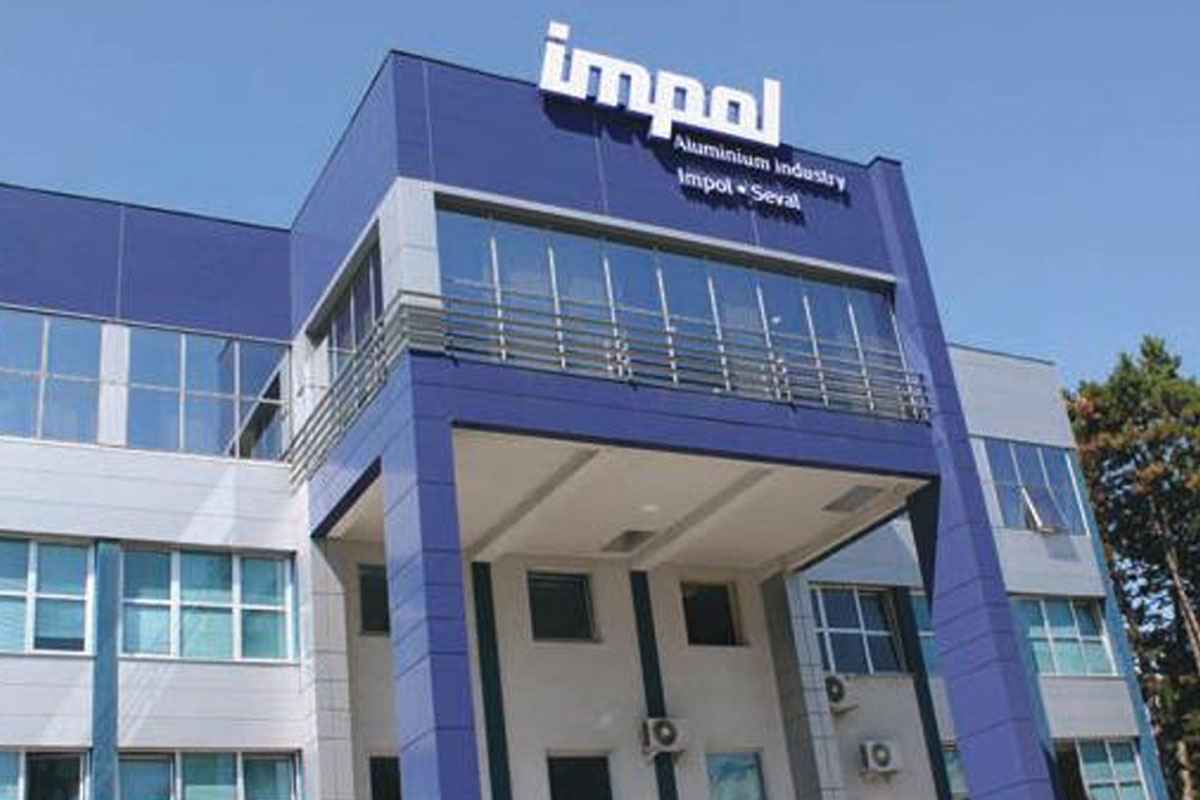

Implementation of the energy information system (ENIS) for the company Impol Seval, Valjaonica aluminijuma, a.d.
The Impol Seval location was the last of the three Impol Group locations to be included in the design of the energy information system, which will later form the basis for all energy efficiency projects.
CHALLENGE:
The Impol Seval location, as the last of the three locations of the Impol group, was included in the design of the energy information system, which will later form the basis for all energy efficiency projects. The major challenge in this was the creation of the lower level of data acquisition from measurements, which the Impol company designed and implemented in accordance with the previous strategy under its own management with the professional assistance of ENEKOM. For this reason, a longer project implementation period was also foreseen, as a result of the installation and wiring of meters and the training of the internal team for the construction of the lower level of data acquisition and storage. In parallel, work has been underway from the beginning to build concepts for capturing production data from various production information systems at the location, which also represented a unique challenge, since with the ENIS project we also entered a location in Serbia for the first time.
SOLUTION:
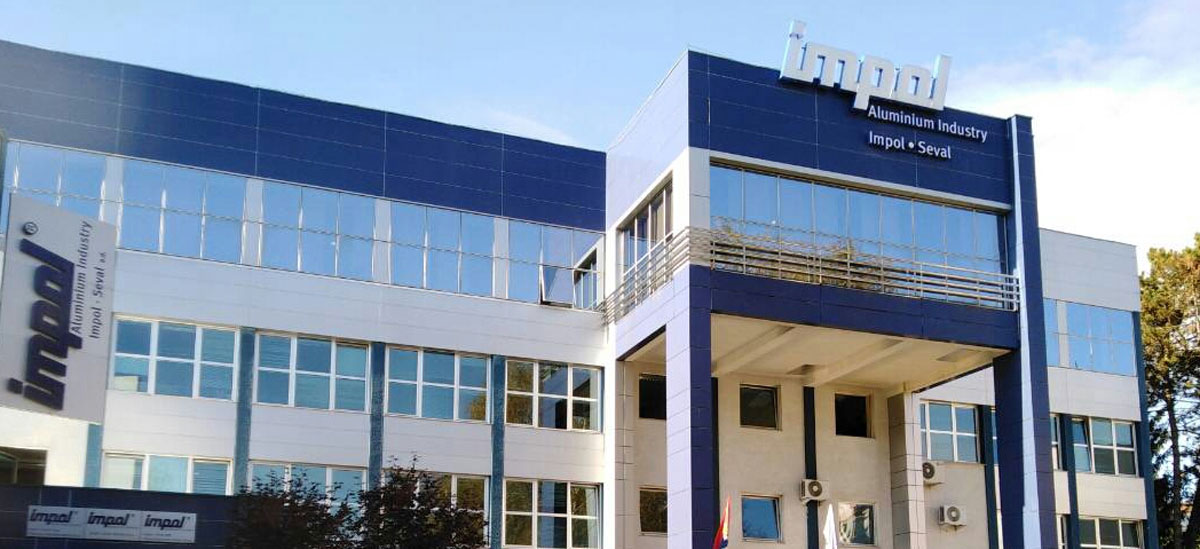
The company Impol d. o. o. uses the energy information system ENIS for all 3 locations (Slovenia, Croatia, Serbia), which is installed in the parent company in Slovenska Bistrica. Connections have been established to the server environment at the dislocated locations, through which data from measurements and production are transferred to ENIS. For the Impol Seval location, the ENIS system has included approx. 100 measurements of electricity, natural gas, compressed air and heat, all existing production data from the SEVAL and PIS Impol systems, which currently represent the basis for evaluating the efficiency of technological processes on a daily basis. Over 50 KPIs in energy and production have been established, which have already set initial target values, are included in quick reviews and system analyses and enable active energy management. During the project, the client’s technical staff was trained to a very high level to work with the system and presented the project to the management and employees at the location.
Graphical displays

“Before we started the ENIS project at Impol Seval in Serbia, we had already implemented the above at our location in Slovenia. This way we knew what we expected from each other. Therefore, we were able to implement the project in Serbia without any major problems, most of the work was done remotely.”
Rafko Atelšek, Director of Impol Infrastructure d.o.o.

Many years of experience in technology and building information systems, knowledge of aluminum smelting and transformation technology, and many years of cooperation with the Impol company have in this specific case enabled the rapid, high-quality and comprehensive establishment of all necessary data for monitoring and evaluating the energy efficiency of the Impol Seval location, especially considering the fact that the project started practically from scratch. We expect that the Impol Seval company will take advantage of the new knowledge and information acquisition and gradually improve energy efficiency at the location in Serbia as well.
