Comprehensive energy audits
An energy audit represents the beginning of every new activity in the field of efficient energy use.

A comprehensive energy audit identifies areas of operation that can be optimized. By performing measurements, analyzing, and taking into account other energy factors and related impacts, we can very precisely identify opportunities to reduce the consumption of electricity, heat, secondary media, and water.
comprehensive insight into the energy status and energy flows of buildings, production centers, technologies and energy systems;
clearly identified opportunities for more efficient energy use;
an action plan with measures for short- and medium-term improvements;
reducing energy costs by gradually introducing the proposed investment and organizational measures
reduction of environmental emissions and sustainable development;
strengthening the role and importance of energy management within organizations and the professional energy knowledge of employees in the technical sector
establishment and interpretation of key performance indicators (EnPI) and other important characteristic indicators of the organization;
technical starting points for the introduction of an energy management system and active energy management;
independence and professionalism – our analyses are based on objective data, measurements, professional knowledge and experience.












When they want to optimize energy costs;
When they are considering the renovation of energy systems;
When they plan changes to production processes;
When they need a comprehensive action plan with clearly defined energy measures and priorities;
When they identify unexplained increased costs or discrepancies in energy consumption;
When they are implementing an energy management system (e.g. ISO 50001) or preparing for certification;
When they want to establish EnPI indicators and systematic monitoring and reporting of energy efficiency;.
When they set sustainability goals (e.g. carbon neutrality, emission reduction, ESG reporting).
When they want to increase employee awareness and involvement in energy and environmentally responsible processes.
Results achieved in practice
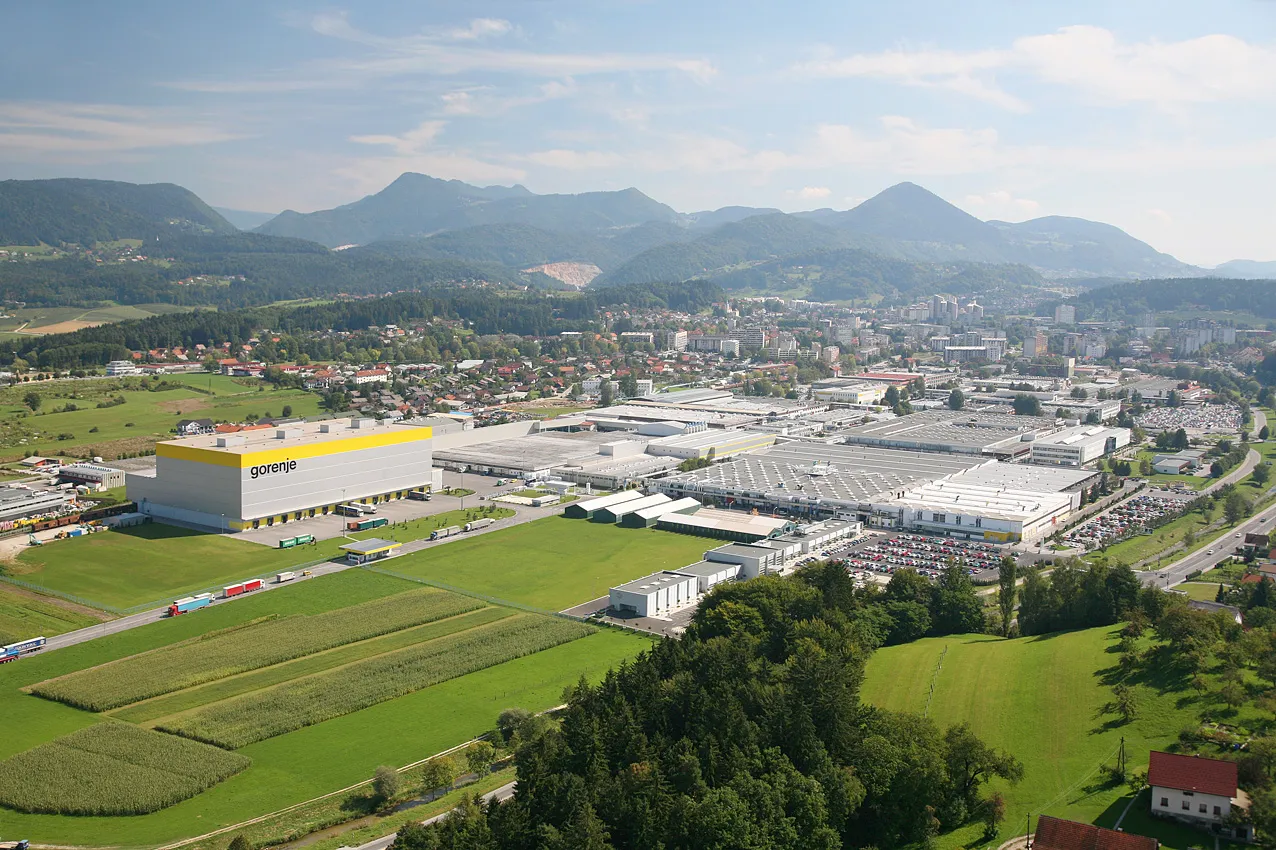
Due to the high costs of energy consumption, the company wanted to conduct a comprehensive energy audit that would cover all key consumers at the location, including production, and provide suggestions and guidelines for reducing final energy consumption.
View reference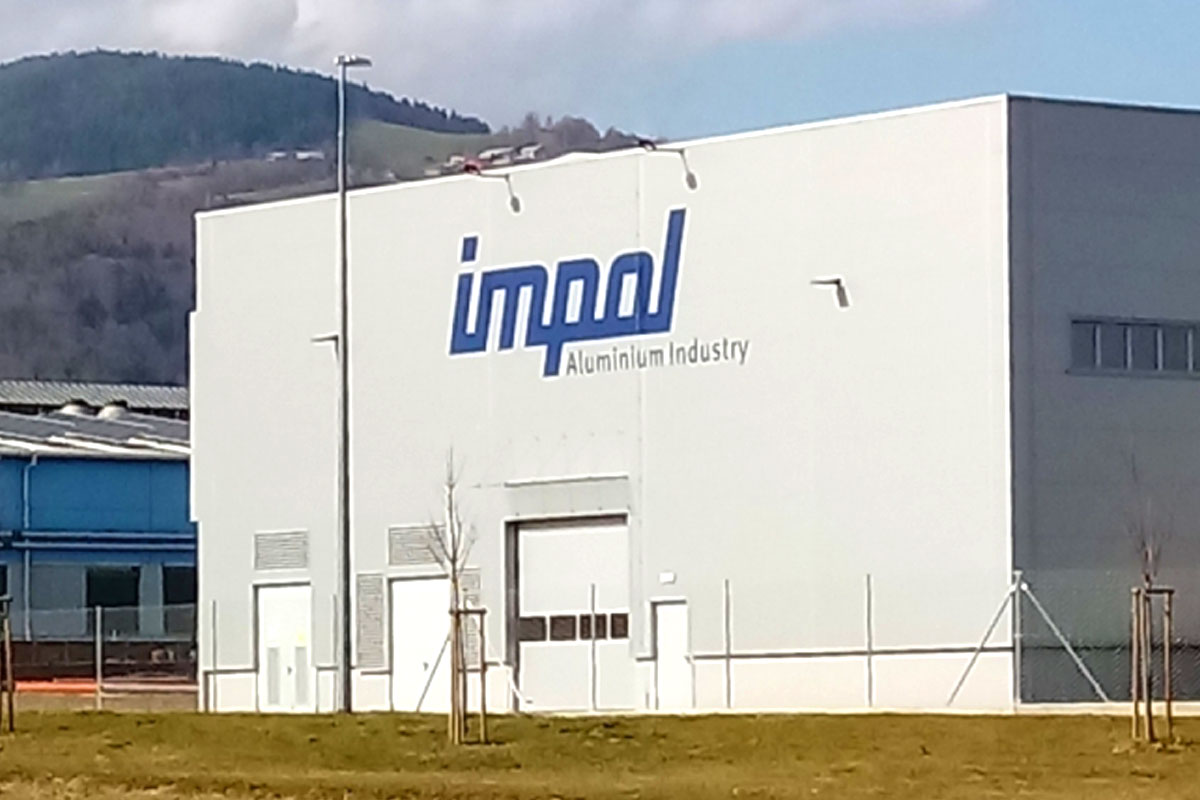
The company Impol d. o. o. is strongly involved in the field of efficient energy use, both from the perspective of managing operating costs and the importance of sustainable management of natural resources.
View reference

Comprehensive energy audit of heating systems and potential for utilizing excess heat in the company SIJ Metal Ravne d. o. o. and cooperation in preparing an energy strategy in the company SIJ Metal Ravne d. o. o. in the field of heating buildings and utilizing excess heat for the period 2024 – 2030.
View reference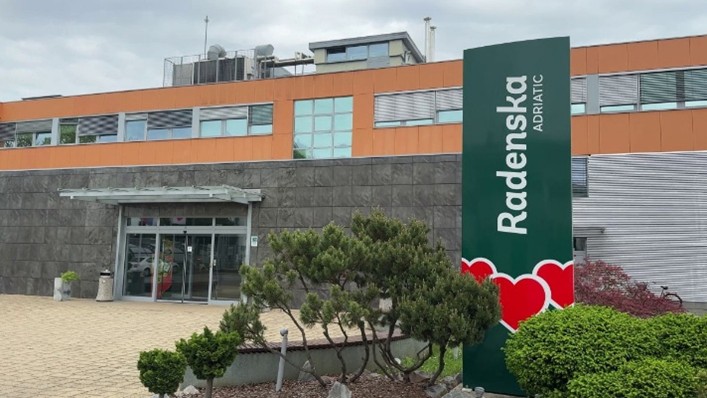
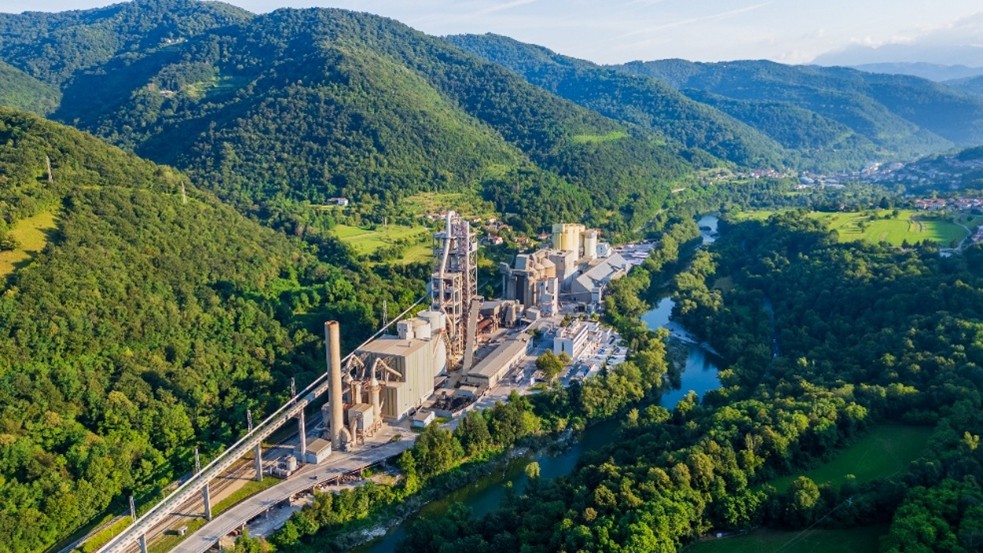

Due to the high costs of energy consumption, the company wanted to conduct a comprehensive energy audit that would cover all key consumers at the location, including production, and provide suggestions and guidelines for reducing final energy consumption.
View reference
The company Impol d. o. o. is strongly involved in the field of efficient energy use, both from the perspective of managing operating costs and the importance of sustainable management of natural resources.
View reference
Comprehensive energy audit of heating systems and potential for utilizing excess heat in the company SIJ Metal Ravne d. o. o. and cooperation in preparing an energy strategy in the company SIJ Metal Ravne d. o. o. in the field of heating buildings and utilizing excess heat for the period 2024 – 2030.
View referenceCheck out our other services

Comprehensive energy audits
Redno izvajanje energetskih pregledov ni strošek, ampak investicija, ki se hitro povrne z nižjimi stroški energije in večjo okoljsko odgovornostjo.

Energy Information Systems ENIS
Redno izvajanje energetskih pregledov ni strošek, ampak investicija, ki se hitro povrne z nižjimi stroški energije in večjo okoljsko odgovornostjo.

Active energy management
Redno izvajanje energetskih pregledov ni strošek, ampak investicija, ki se hitro povrne z nižjimi stroški energije in večjo okoljsko odgovornostjo.

Control and regulation systems
Redno izvajanje energetskih pregledov ni strošek, ampak investicija, ki se hitro povrne z nižjimi stroški energije in večjo okoljsko odgovornostjo.

Solutions for small and medium-sized enterprises (SMEs)
Redno izvajanje energetskih pregledov ni strošek, ampak investicija, ki se hitro povrne z nižjimi stroški energije in večjo okoljsko odgovornostjo.

Solutions for the public sector
Redno izvajanje energetskih pregledov ni strošek, ampak investicija, ki se hitro povrne z nižjimi stroški energije in večjo okoljsko odgovornostjo.